Ever spent a Sunday afternoon meticulously weeding your flower bed… only to watch grass and crabgrass creep back in by Tuesday? You’re not alone—the Royal Horticultural Society estimates that poorly defined garden borders account for over 60% of recurring lawn-to-bed invasions. The solution isn’t more herbicide. It’s smarter garden edging ideas.
In this guide, I’ll share battle-tested edging strategies honed over 12 years as a landscape designer and weekend gardener (yes, I’ve buried three spades in frustration). You’ll discover:
- Which edging materials survive Midwest winters and Southern humidity
- How to install permanent borders without calling a contractor
- Why “cheap” plastic strips fail within a season—and what to use instead
Table of Contents
- Why Garden Edging Matters (Beyond Just Looking Pretty)
- Step-by-Step Guide to Installing Lasting Garden Edges
- 5 Pro Tips That Separate Amateurs From Pros
- Real-World Examples: From Driveway Disaster to Curb Appeal Hero
- Garden Edging FAQs
Key Takeaways
- Effective edging blocks root invasion, retains mulch, and reduces maintenance by up to 40% (University of Minnesota Extension)
- Metal and stone edges last 10+ years; plastic rarely survives 2 seasons
- Always bury edging 4–6 inches deep—surface-only strips invite weeds
- Curved edges reduce mowing time vs. sharp corners
Why Garden Edging Matters (Beyond Just Looking Pretty)
Let’s be real: most DIYers treat edging as an afterthought—a quick trip to Home Depot for flimsy plastic coils that buckle under foot traffic or crack in the first frost. I learned this the hard way when my “budget-friendly” PVC border snapped during a spring cleanup, dumping soil into my hostas like an uninvited guest.
But proper garden edging isn’t just cosmetic. According to landscape architecture studies from ASLA, well-defined borders:
- Reduce cross-contamination between lawn chemicals and edible beds
- Prevent soil erosion on slopes
- Extend mulch life by containing it within beds
Step-by-Step Guide to Installing Lasting Garden Edges
How do I choose the right material for my climate?
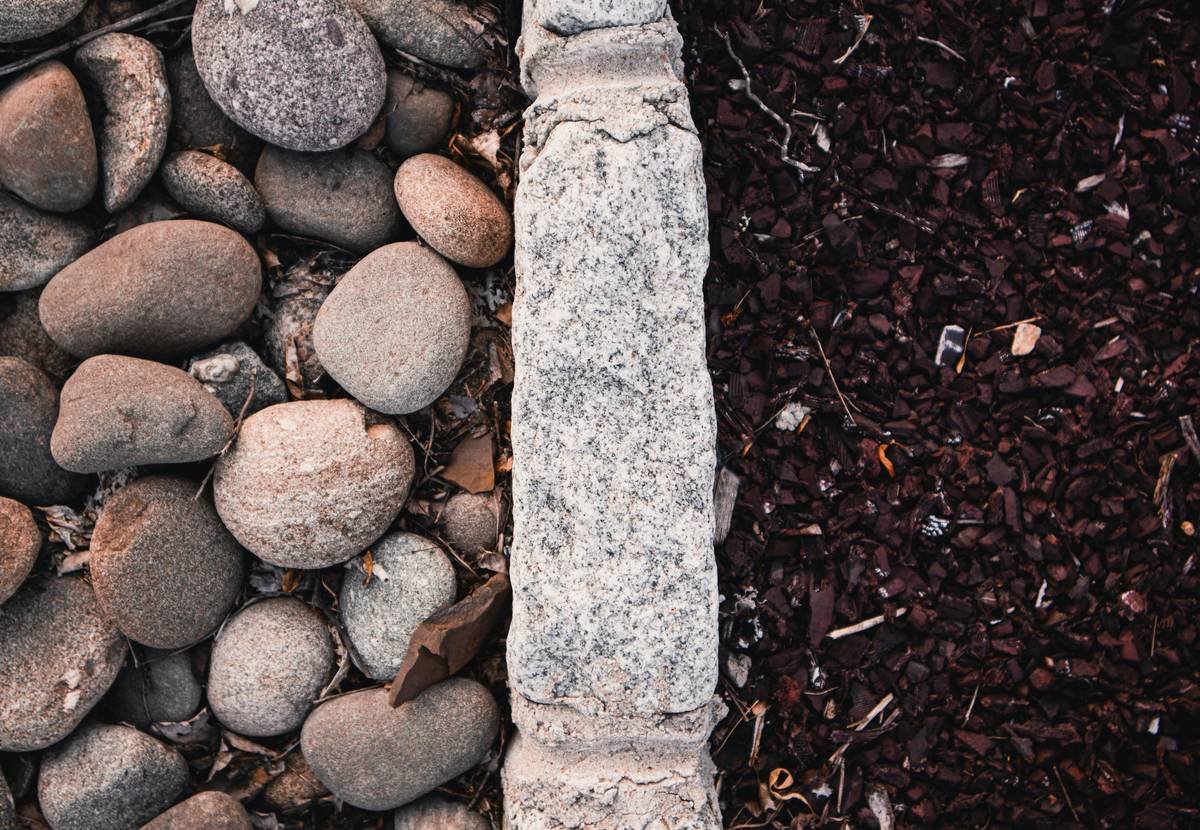
Optimist You: “Ooh, rustic river stones!”
Grumpy You: “Unless you live where it never freezes, those’ll heave like popcorn kernels in winter.”
Match materials to your USDA zone:
- Zones 1–5 (Cold): Corten steel or concrete. Avoid terracotta—it shatters below 20°F.
- Zones 6–9 (Temperate): Flagstone, brick, or aluminum.
- Zones 10–13 (Hot/Humid): Recycled rubber or composite lumber resists warping.
How deep should I bury the edging?
Skip the surface-level nonsense. Dig a trench 6 inches deep and 4 inches wide. Why? Grass rhizomes dive 3–5 inches underground—shallow barriers are useless. I use a flat-edge spade (not a shovel!) for clean vertical walls.
What’s the #1 installation mistake?
Not staggering joints. If you’re using bricks or pavers, offset seams like brickwork—otherwise, weeds exploit straight gaps. And pro tip: backfill with coarse sand, not soil. It compacts evenly without settling unevenly come July.
5 Pro Tips That Separate Amateurs From Pros
- Cut curves with a garden hose: Lay it along your desired edge, spray paint the outline, then dig. Curves = fewer mower collisions.
- Use rebar stakes for metal edging: Drive them every 18 inches through pre-drilled holes. No more wobbly “speed bumps” in your lawn.
- Seal natural stone: A silane-based sealant prevents moss and efflorescence. Reapply every 2 years.
- Leave expansion gaps: In hot climates, leave 1/4″ between concrete sections to prevent cracking.
- Mulch AFTER edging: Trying to edge over existing mulch is like trimming hair with oven mitts. Remove it first!
⚠️ Terrible Tip Alert
“Just use old wine bottles upside down!” Sure, Pinterest loves it—but glass shifts, cuts pets’ paws, and offers zero root barrier. Save the upcycling for bird feeders.
Rant Time: My Pet Peeve
Why do big-box stores still sell 2-inch-deep plastic “edging”? It’s lawn confetti waiting to happen. If it doesn’t go below the frost line, it’s decoration—not function. Full stop.
Real-World Examples: From Driveway Disaster to Curb Appeal Hero
Case Study #1: Chicago Bungalow (Zone 5b)
Problem: Kentucky bluegrass invading daylily beds every spring.
Solution: Installed 6”-tall corten steel with rebar stakes set 5” deep.
Result: Zero grass incursion after 3 winters. Bonus: Rust patina complements brick exterior.
Case Study #2: Austin Xeriscape (Zone 8b)
Problem: Decomposed granite paths washing into succulent beds during monsoons.
Solution: Set limestone cobbles on 2” gravel base, mortared at corners.
Result: Paths stay intact; water drains cleanly away from plants.
Garden Edging FAQs
What’s the cheapest long-lasting edging?
Used brick or concrete pavers from salvage yards. Expect $0.50–$1 per linear foot vs. $3+ for new metal systems.
Can I edge around trees without harming roots?
Absolutely—use flexible rubber edging. Never cut roots thicker than ½ inch; they supply vital nutrients. Hand-dig within 3 feet of the trunk.
How do I maintain metal edging?
Corten steel needs zero maintenance—it self-protects via rust layer. Aluminum? Rinse annually with vinegar-water (1:1) to remove oxidation.
Are there eco-friendly options?
Yes! Recycled HDPE plastic (look for 95%+ post-consumer content) or reclaimed stone. Avoid treated wood—it leaches copper arsenate.
Conclusion
Garden edging isn’t about rigid lines or Instagrammable symmetry—it’s about creating resilient boundaries that work while you sleep. Whether you’re battling invasive quackgrass in Denver or corralling mulch in Miami, the right edging saves hours of seasonal labor and protects your plant investments.
Remember: depth > decor, function > fashion, and always—always—dig deeper than you think. Your future self (with a cold lemonade and weed-free beds) will thank you.
Like a ’90s Tamagotchi, your garden edges need consistent care—or they’ll die a sad, plastic death.
Steel bites earth,
Weeds surrender slow—
Spring’s quiet win.