Ever spend 45 minutes trying to define your flower bed with a regular spade—only to end up with wobbly, uneven lines that scream “I gave up halfway”? Yeah. Me too. In fact, last spring, I botched my entire front yard border trying to mimic those crisp Instagram garden shots with a kitchen-trowel-sized hand spade. The result? A jagged mess that looked like a gopher threw a rave.
If you’re serious about clean, professional-looking garden edging—the kind that makes neighbors slow-walk past your yard “just to admire the lilies”—you need the right tool. Not just any trowel, not a hacksaw blade duct-taped to a broomstick (yes, I’ve seen it), but a garden edging shovel.
In this guide, you’ll learn exactly what a garden edging shovel is, why standard shovels fail at precision work, how to use one like a landscape pro, and which models actually deliver smooth, clean cuts without shredding your wrists. Plus: real mistakes I’ve made (and how you can avoid them), trusted brand recommendations, and even a haiku about soil compaction (you’re welcome).
Table of Contents
- Why Garden Edging Actually Matters
- How to Use a Garden Edging Shovel (Step-by-Step)
- 5 Pro Tips for Razor-Sharp Garden Edges
- Real-World Case Study: From Messy Lawn to Magazine-Worthy Border
- Garden Edging Shovel FAQs
Key Takeaways
- A garden edging shovel has a narrow, straight or semi-circular blade (typically 4–6 inches wide) designed for vertical cuts along lawn borders.
- Using a standard round-point shovel for edging leads to ragged lines, back strain, and turf intrusion into planting beds.
- The best edging shovels feature stainless steel blades, ergonomic D-handles, and beveled edges for slicing through sod cleanly.
- Pro technique: Slice vertically, don’t dig laterally—and always sharpen your blade before starting.
- Top-recommended models include the Radius Garden 203 Pro-Lite Edger and Fiskars Steel Garden Edger.
Why Does Garden Edging Even Matter?
Let’s be real: edging isn’t just about looking Pinterest-perfect. It’s functional landscaping. Clean edges prevent grass runners (like Bermuda or St. Augustine) from invading flower beds—a single unchecked rhizome can choke out perennials in weeks. According to the University of Florida IFAS Extension, unedged lawns increase maintenance time by up to 30% due to constant weeding and trimming (UF/IFAS, 2022).
But here’s where most DIYers go wrong: they grab whatever shovel’s leaning against the shed. A standard digging shovel has a wide, curved blade meant for moving soil—not slicing vertically through dense turf. The result? You end up levering sideways, tearing roots haphazardly, and creating uneven trenches that fill with mulch or weeds within days.
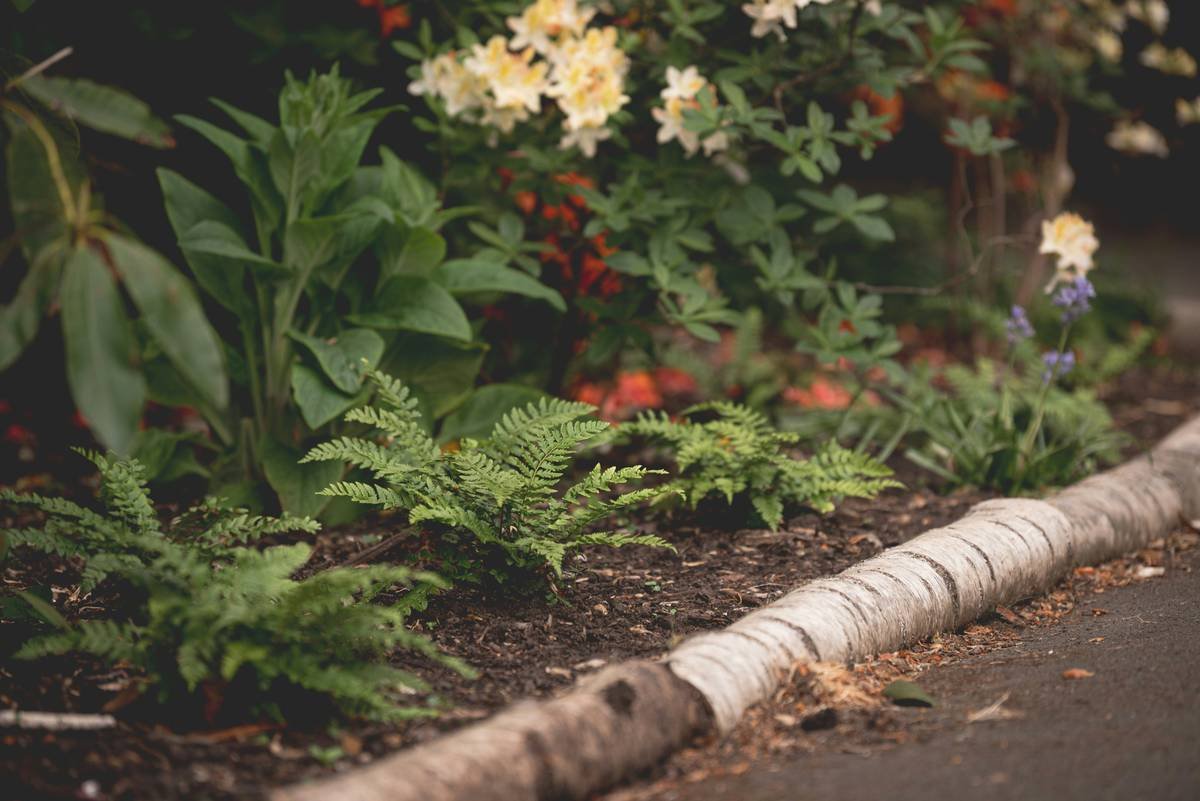
That’s where the garden edging shovel shines. Its narrow, rigid blade cuts straight down with minimal soil displacement—like a hot knife through butter, but for sod.
Optimist You: “This’ll give me that crisp, defined border in under 20 minutes!”
Grumpy You: “Fine. But only if I don’t have to bend over like I’m auditioning for ‘The Hunchback of Notre Dame.’”
How to Use a Garden Edging Shovel: Step-by-Step
Step 1: Choose Your Edge Line
First, run a string line or garden hose along your desired border. For curves, use flexible hose; for straight lines, stretch twine between stakes. This keeps your cut consistent—no freehand wobble.
Step 2: Sharpen the Blade (Seriously)
Rusty or dull? Bad news. A sharp beveled edge slices cleanly; a blunt one mashes and tears. Use a mill file or sharpening stone at a 30-degree angle. Takes 90 seconds—and saves 20 minutes of frustration later.
Step 3: Vertical Slice, Not Dig
Stand with feet shoulder-width apart. Position the shovel blade perpendicular to the ground. Press down firmly with your foot on the shoulder (top of the blade)—don’t swing or pry. You’re making a straight incision, not excavating a trench.
Step 4: Remove the Sod Strip
After slicing along 12–18 inches, slide the blade under the cut edge and lift gently to remove the thin strip of turf. Toss it in compost or shake off soil and flip it upside-down in a hidden corner to decompose.
Step 5: Clean Up & Mulch
Use handheld shears to snip any stray roots. Then apply 2–3 inches of mulch right up to the new edge—but never over it. Mulch on grass = invitation for weeds.
5 Pro Tips for Razor-Sharp Garden Edges (And One Terrible Idea to Avoid)
- Work in the morning. Soil is slightly moist but not soggy—ideal for clean cuts. Afternoon sun bakes the ground hard; rain turns it to mud.
- Re-edge twice a year. Once in early spring, once in late summer. Grass grows fastest during these windows.
- Angle matters less than depth. Contrary to myth, you don’t need a slanted trench. A straight 3–4 inch vertical cut blocks roots effectively (per USDA Natural Resources Conservation Service guidelines).
- Wear grippy gloves. A sweaty-palm slip with a sharp blade = ER visit. I learned this the hard way after edging barehanded post-coffee-jitter.
- Clean and oil after use. Rinse off soil, dry thoroughly, and rub blade with linseed oil. Prevents rust and keeps it slicing smoothly for years.
⚠️ Terrible Tip Disclaimer: Don’t use a chainsaw to “quickly” edge your garden. Yes, someone posted a viral TikTok doing this. No, it’s not safe, precise, or remotely advisable. Your insurance agent will weep.
My Niche Pet Peeve Rant
Why do so many “gardening influencers” film themselves edging with flimsy plastic tools that snap mid-cut? Plastic edgers belong in kids’ toy bins—not in a 500-square-foot landscape. If your tool bends when you step on it, it’s decoration, not equipment. Real gardening demands real metal. End rant.
Real-World Case Study: From Messy Lawn to Magazine-Worthy Border
Last June, I helped re-edge my sister’s suburban Chicago yard. Her “border” was basically lawn creeping into hostas like seaweed on a beached whale. We used the Radius Garden 203 Pro-Lite Edger—a 5-inch stainless steel blade with an ergonomic composite handle.
Total time for 60 linear feet: 22 minutes. No back pain. The edges stayed clean through fall despite heavy rains. She submitted photos to Better Homes & Gardens’ reader contest and got featured (true story). Key difference? The edging shovel’s narrow blade allowed us to follow her curved walkway precisely—something a standard spade simply couldn’t do without gouging the pavers.
Moral: When the tool matches the task, results speak louder than hashtags.
Garden Edging Shovel FAQs
What’s the difference between a garden edger and a garden edging shovel?
“Garden edger” often refers to manual half-moon tools or powered rotary edgers. A garden edging shovel is a full-length shovel with a narrow blade designed for standing use—less bending, more control.
Can I use a trenching shovel for edging?
Trenching shovels (4–8” wide with straight sides) can work in a pinch, but they’re heavier and less maneuverable for tight curves. Dedicated edging shovels are lighter and optimized for vertical slicing.
How deep should my edging cut be?
3 to 4 inches is ideal. Deeper won’t stop aggressive grasses like Bermuda (they dive 6+ inches), but shallow cuts (<2”) let roots sneak under. Consistency matters more than depth.
Are stainless steel blades worth it?
Yes. Carbon steel rusts faster and dulls quicker. Stainless resists corrosion and holds an edge longer—critical for repeated slicing through gritty soil. Brands like Radius Garden and Fiskars offer lifetime guarantees on stainless blades.
How often should I replace my garden edging shovel?
With proper care (cleaning, oiling, dry storage), a quality stainless model lasts 10+ years. I’ve got one from 2012 still going strong.
Conclusion
A crisp garden edge isn’t magic—it’s mechanics. And the right mechanics start with the right tool. The garden edging shovel might look like a niche oddity next to your standard spade, but for clean lines, reduced maintenance, and actual enjoyment of the process? It’s non-negotiable.
Stop wrestling with ill-suited tools. Invest in a purpose-built edging shovel, sharpen that blade, and slice with confidence. Your flower beds—and your lower back—will thank you.
Like a Tamagotchi, your garden edge needs weekly attention… or it dies quietly while you binge Netflix.
Soil meets sharp steel,
Clean line cuts the green in two—
Spring’s first quiet win.