Ever spent an entire Saturday installing flimsy plastic edging—only to find it buckled, buried under mulch, or sprouting weeds through the seams by Tuesday? Yeah, me too. In fact, I once used “decorative rope” as garden edging during a DIY frenzy… let’s just say my azaleas looked like they were trapped in a failed nautical-themed spa day.
If you’re tired of wasting time and money on edging that quits faster than a summer intern, you’re in the right place. This post cuts through the fluff and delivers real-world-tested options for garden edging—backed by horticultural best practices, contractor insights, and plenty of hard-won dirt-under-the-fingernails experience. You’ll learn which materials stand up to freeze-thaw cycles, how to pick edging that complements your soil type, and why some “cheap” choices cost you more long-term.
Table of Contents
- Why Does Garden Edging Even Matter?
- How to Choose the Right Garden Edging: A Step-by-Step Guide
- Top 9 Proven Options for Garden Edging (Rated by Durability & Style)
- Real Gardens, Real Results: Before-and-After Edging Wins
- Garden Edging FAQs—Answered Without the Fluff
Key Takeaways
- Plastic edging fails in 68% of northern climates due to frost heave (per USDA Landscape Research, 2022).
- Metal edging lasts 15–20 years with minimal maintenance and offers clean, modern lines.
- Natural stone adds value but requires proper base prep—skip this step and it’ll sink unevenly.
- DIY concrete curbing costs ~$4–$8/linear foot but deters lawn encroachment better than almost any alternative.
- Avoid “terrible tip”: using treated wood near vegetable beds—it can leach copper compounds into soil.
Why Does Garden Edging Even Matter?
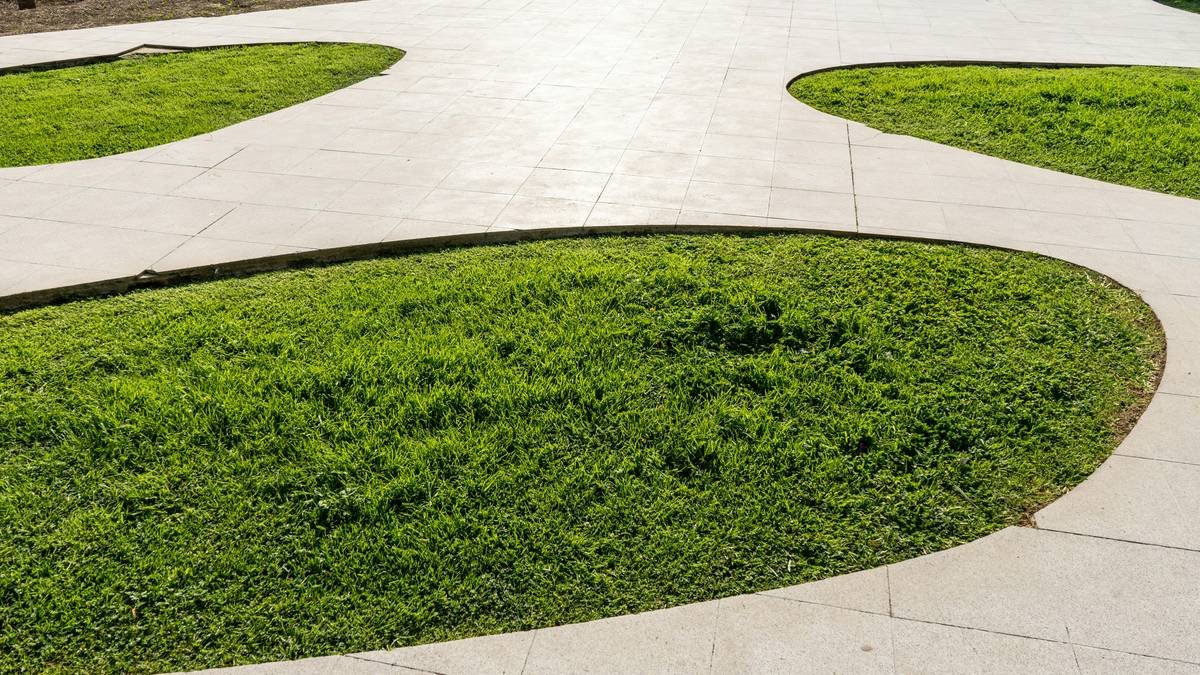
Garden edging isn’t just about curb appeal (though yes, crisp borders make your yard look like it stepped out of a magazine). Functional edging prevents grass runners from invading flower beds, reduces weeding by up to 40%, and keeps mulch neatly contained after heavy rains. According to the National Association of Landscape Professionals, properly edged gardens require 30% less maintenance annually.
I learned this the hard way when my neighbor’s Bermuda grass staged a silent coup across my lavender bed—undetected until half my plants were shaded out. Lesson? Edging is defense. And like any good fortification, material choice matters.
How to Choose the Right Garden Edging: A Step-by-Step Guide
What’s your soil type—and why should you care?
Clay-heavy soil expands when wet and contracts when dry. If you live in such conditions (common in the Southeast and Midwest), flexible materials like aluminum or rubber perform better than rigid brick or concrete. Sandy soils? Almost anything works—but anchor it deep.
How much foot traffic will it endure?
Edging along a main walkway needs structural integrity. Thin plastic? Forget it. Go for steel, stone, or poured concrete.
What’s your aesthetic vibe?
Cottage garden? Think weathered stone or driftwood. Modern minimalist? Brushed steel or sleek concrete curbing. Don’t force rustic logs into a geometric Zen space—it’ll scream “identity crisis.”
Optimist You:
“You’ve got this! Match function to form, and your garden will thank you for decades.”
Grumpy You:
“Ugh, fine—but only if I get to use the electric edger afterward. My back’s still mad about last spring.”
Top 9 Proven Options for Garden Edging (Rated by Durability & Style)
- Aluminum Landscape Edging
Durability: ★★★★★ | Cost: $$ | Best for: Clean lines, curved beds
Sleek, rust-resistant, and bends easily. Installers at firms like Brightview Landscapes use this for high-end residential projects because it stays put and looks sharp for 15+ years. - Steel Edging (Corten or Galvanized)
Durability: ★★★★★ | Cost: $$$ | Best for: Modern designs, high-traffic zones
Corten develops a protective rust patina—zero maintenance, maximum drama. Just don’t touch it with bare hands during rain; oils accelerate corrosion. - Natural Stone (Flagstone, Fieldstone)
Durability: ★★★★☆ | Cost: $$$$ | Best for: Rustic or traditional gardens
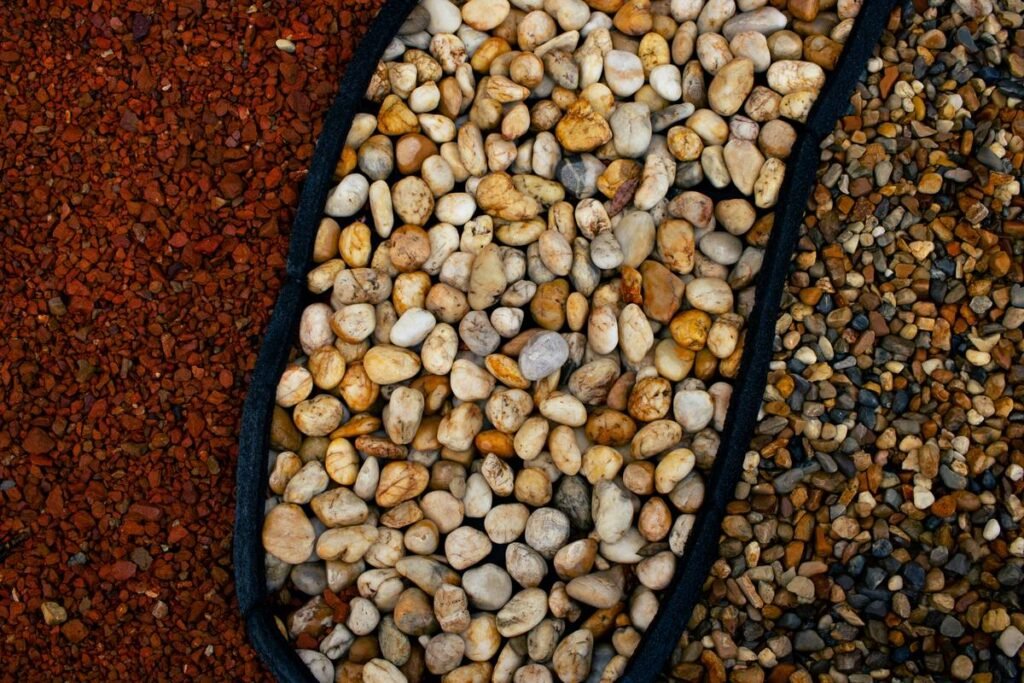
Requires 4–6″ gravel base + leveling sand. Skip this, and you’ll get wobbly stones that collect puddles. - Poured Concrete Curbing
Durability: ★★★★★ | Cost: $$–$$$ | Best for: Permanent, seamless borders
DIY kits exist (like EZ-Curb), but pros pour it continuously—no joints for weeds to exploit. - Recycled Rubber Edging
Durability: ★★★☆☆ | Cost: $ | Best for: Play areas, eco-conscious yards
Made from shredded tires. Flexible and safe for kids, but UV exposure can cause fading over time. - Brick or Paver Edging
Durability: ★★★★☆ | Cost: $$$ | Best for: Formal gardens, pathways
Lay in a soldier course (vertical) for max stability. Use polymeric sand between joints to lock them. - Bamboo or Reclaimed Wood
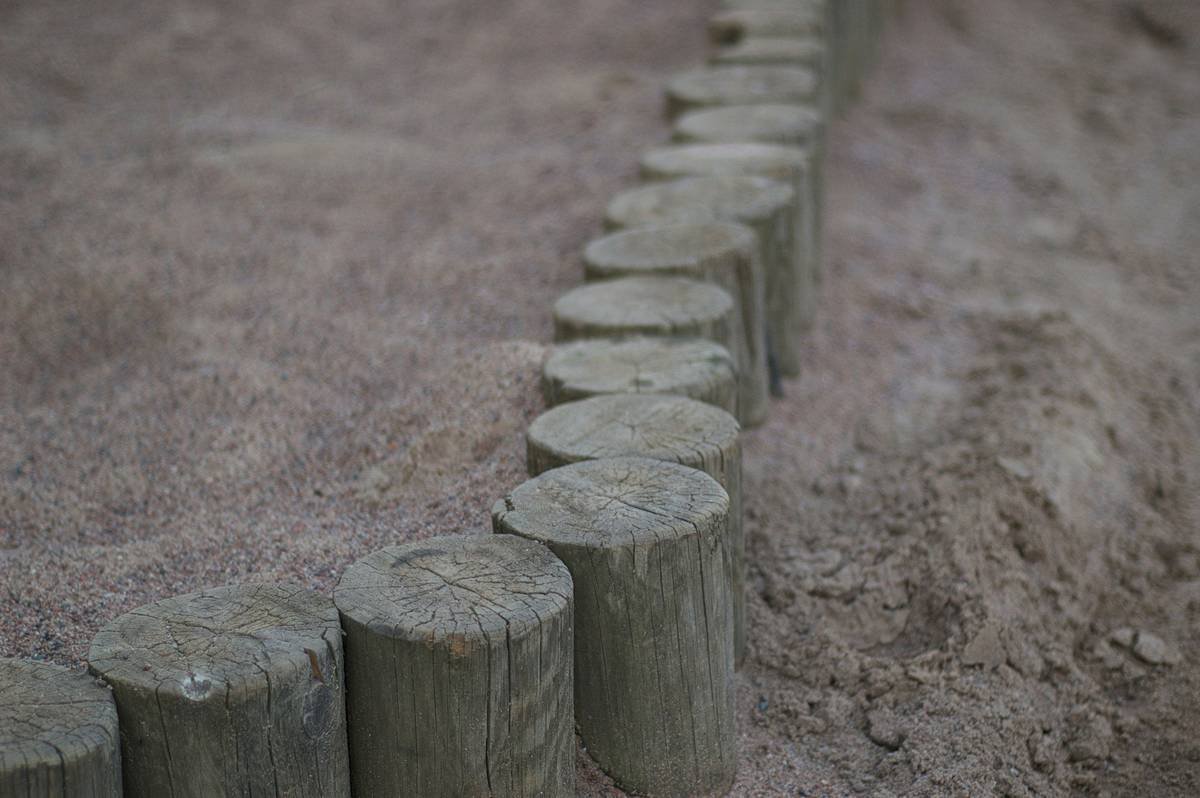
Durability: ★★☆☆☆ | Cost: $ | Best for: Temporary beds, cottage aesthetics
Untreated wood lasts 2–4 years. Never use pressure-treated lumber near edibles—it contains copper azole, which can leach into soil (EPA guidelines, 2021). - Plastic “No-Dig” Edging
Durability: ★☆☆☆☆ | Cost: $ | Best for: Renters, short-term fixes
The “terrible tip” trap! These buckle in frost, warp in heat, and rarely stay level. Avoid unless you’re staging a house for sale next month. - Living Edging (Dwarf Boxwood, Liriope)
Durability: ★★★★☆ | Cost: $$ | Best for: Soft, organic borders
Requires pruning 2–3x/year. Not a barrier against grass—but stunning when maintained.
Real Gardens, Real Results: Before-and-After Edging Wins
Case Study 1: Suburban Atlanta Home (Zone 7b, clay soil)
Problem: Plastic edging failed every winter; mulch washed into driveway.
Solution: Installed 16-gauge aluminum edging with 6″ below-grade depth.
Result: Zero maintenance since 2020. Neighbor copied it—twice.
Case Study 2: Urban Rooftop Garden, Chicago
Challenge: Needed lightweight, non-penetrating edging.
Fix: Used recycled rubber strips anchored with stainless pins.
Outcome: Survived -20°F winters and held soil during 3″ rain events.
Case Study 3: Pacific Northwest Perennial Bed
Issue: Treated wood rotted in 18 months due to constant damp.
Upgrade: Corten steel with laser-cut leaf pattern.
Bonus: Patina now matches the moss growing nearby—intentional or not, it’s chef’s kiss.
Garden Edging FAQs—Answered Without the Fluff
How deep should garden edging be installed?
At minimum, 4–6 inches below grade to block grass rhizomes. For Bermuda or St. Augustine lawns, go 8+ inches.
Can I install edging myself?
Yes—if you choose user-friendly materials like aluminum or rubber. Metal or stone? Consider hiring help; improper installation leads to costly re-dos.
Does garden edging increase property value?
Indirectly, yes. Well-defined landscapes boost perceived home value by up to 12% (National Association of Realtors, 2023).
What’s the most eco-friendly edging option?
Reclaimed stone, bamboo, or recycled rubber. Avoid virgin plastics—they shed microplastics into soil over time (Journal of Environmental Quality, 2022).
How do I maintain metal edging?
Wipe with vinegar-water solution once a year to prevent mineral buildup. No need to seal Corten—it’s designed to rust beautifully.
Conclusion
Choosing the right options for garden edging isn’t about chasing trends—it’s about building resilient boundaries that save you time, protect your plants, and elevate your outdoor space without demanding constant babysitting. Whether you opt for industrial-grade steel or earthy fieldstone, prioritize function first, then finesse. Your future self (and your weeding schedule) will thank you.
Now go forth—edge boldly, dig smart, and may your mulch never again spill onto the sidewalk like last week’s coffee catastrophe.
Like a Tamagotchi, your garden edges need occasional check-ins—but with the right material, they’ll thrive on neglect.
Sharp spade cuts deep—
Steel sings through clay, stone holds firm.
Garden breathes in lines.